For Prospective Students
Research Life at Kanno-Suzuki-Matsui Lab and Admission Information
About Kanno-Suzuki-Matsui Laboratory
We are recruiting new students. As of June 2026, I was promoted to Associate Professor and our laboratory is now the Kanno-Suzuki-Matsui Lab. You can choose me as your supervisor and conduct research together.
The lab operates at the core of the All-Solid-State Battery Research Center — about 109 members in total (as of 2026), including faculty, researchers, technical staff, and students. Students interact beyond lab boundaries through shared offices, center-wide progress meetings, and events, with many opportunities to join collaborative research and national projects.
We maintain an environment where you can freely consult with anyone regardless of position. Members from chemistry, materials science, and biology (my own background) work together, discussing openly across disciplines.
Laboratory Features
Creating Materials No One Knows Yet
Based on solid-state chemistry, we develop novel solid electrolytes and electrodes and elucidate mechanisms for improving device performance. Through your lab work, you will pursue at least one material of your own creation — exciting research that brings materials no one in the world has seen into existence.
Automated Experiments × AI — Combinatorial Automated Lab
A major strength of our lab is CLABAM, our combinatorial automated experiment laboratory. Multi-target sputtering creates a library of 89 cells on a single 4-inch wafer, and automated impedance measurements with 178 probes evaluate about 200 samples in just 6 hours. For powder synthesis, a robotic platform automating weighing, mixing, pressing, firing, measurement, and database registration is under development. With ~4,500 experimental records, ~15,000 literature entries, and ~5,000 structures, we pursue AI-driven materials development combining machine learning and LLMs.
Students use this cutting-edge infrastructure in their own daily research — mastering machine learning and neural network potentials as standard tools while cultivating the perspective to create original science beyond them.
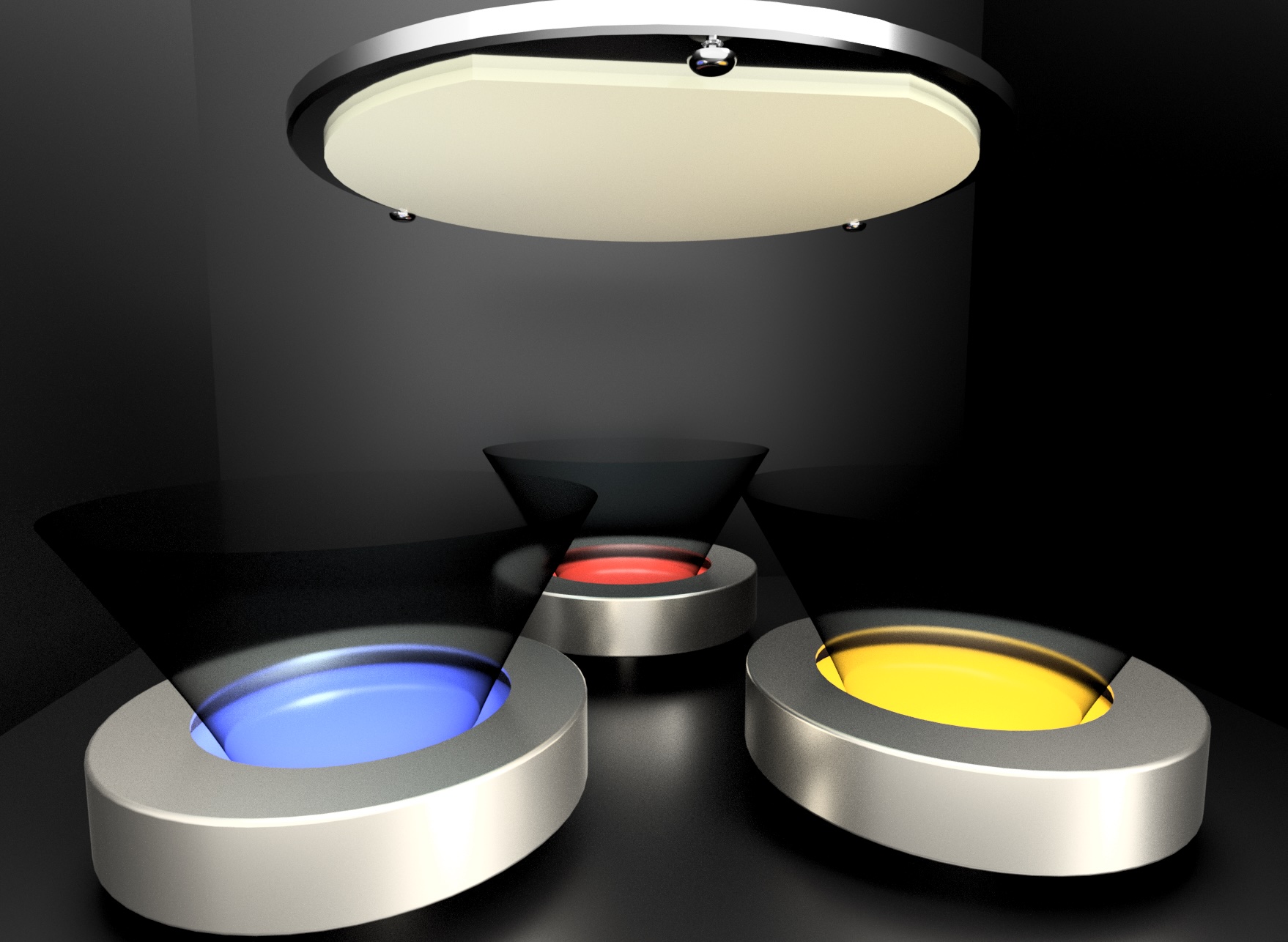
Combinatorial synthesis and high-throughput evaluation
Advanced Facilities, Beamlines, and Computing
The lab is equipped with numerous advanced synthesis and measurement facilities. Students themselves handle cutting-edge measurements through beamtime experiments at SPring-8 (synchrotron, Hyogo) and J-PARC (neutron facility, Ibaraki). For computation, the TSUBAME supercomputer at Science Tokyo and the Matlantis cloud environment by Preferred Networks are available.
January 2026: Synchrotron Powder X-ray Diffraction at SPring-8 BL02B2
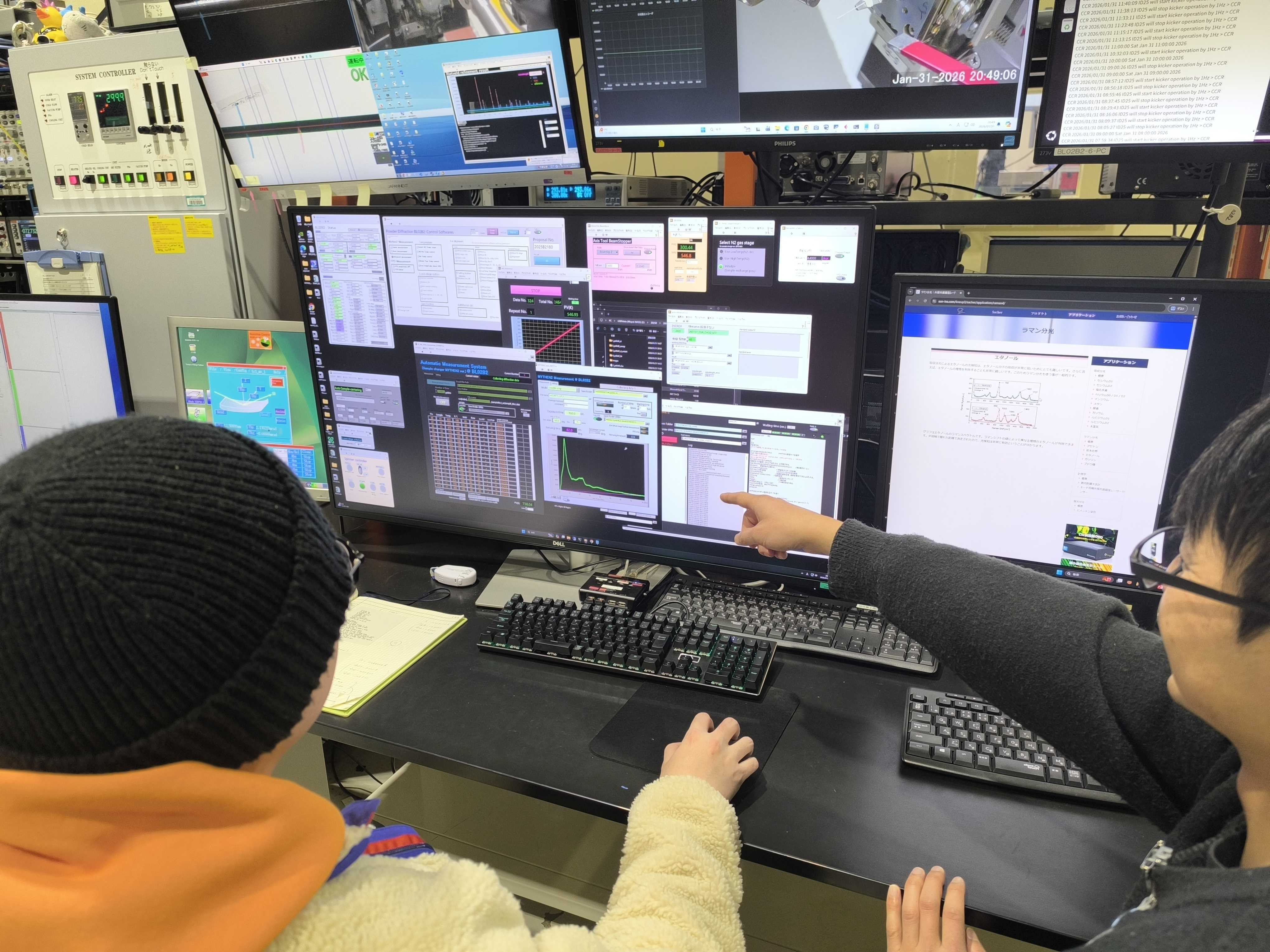
D2 and M1 students accompanied and discussed measurement results on-site. Great work on the trip!
Education Policy
— Results in your first year: an environment for rapid growth
Early Conference Presentations and Publications
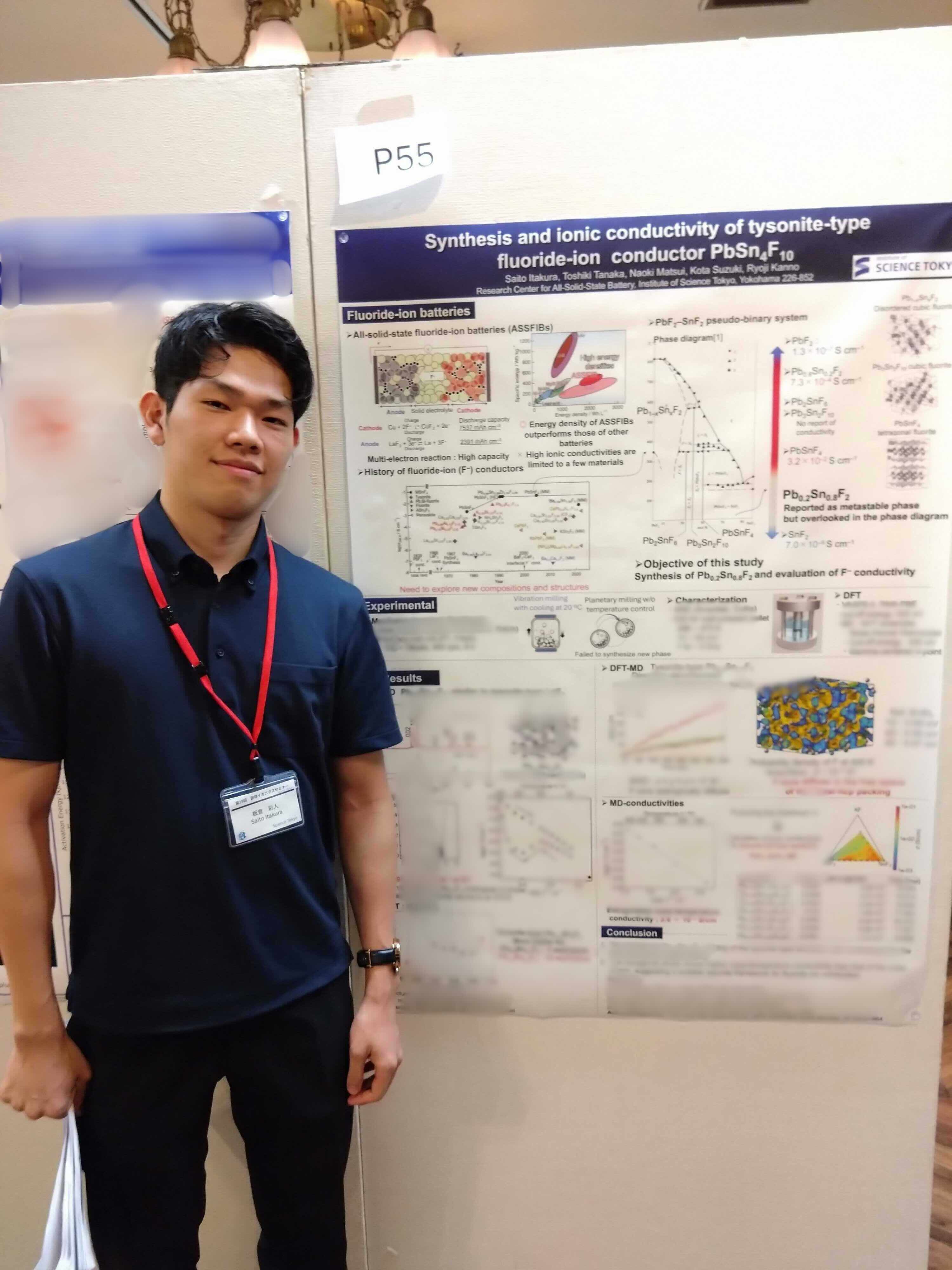
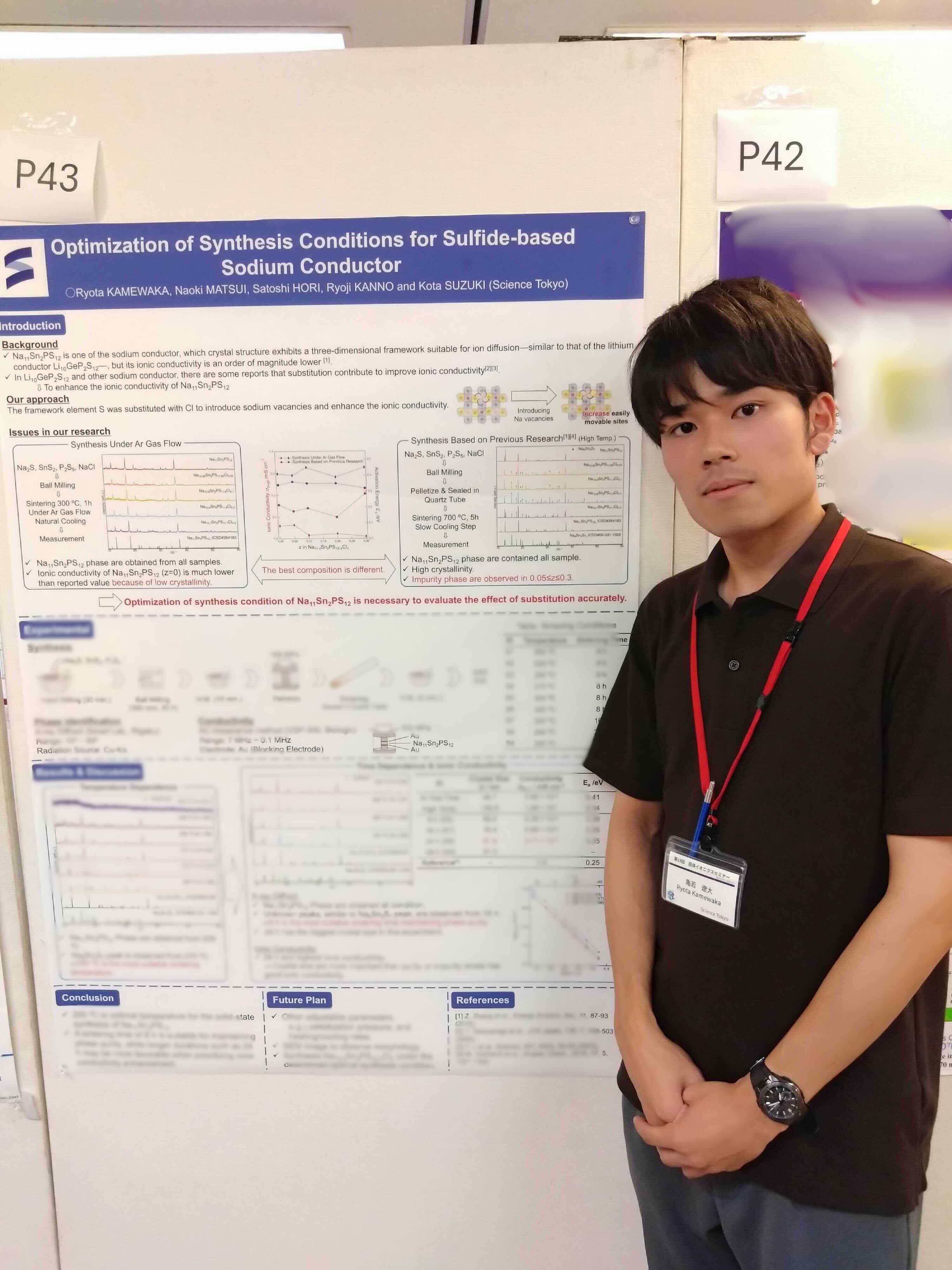
We aim to produce results within one year of theme assignment, and challenge conference presentations and paper submissions as soon as results take shape. Students hone clear communication through seminar discussions, then step up from poster sessions at young researcher meetings to oral presentations at domestic conferences, and on to peer-reviewed papers and international conferences.
In fact, several students have submitted first-author papers to international journals at the M1/M2 stage — in 2026, an M2 student's first-author paper was published in Small Structures. Some students have presented at international conferences such as ECS (Hawaii) and SSI (Singapore) from their first year.
Conference Participation (M1)
Seminars and Research Support
Seminars provide six presentation opportunities per year (two paper-reading and four progress reports) plus regular meetings, intensively training presentation and discussion skills. There are also many opportunities to join collaborative research and national projects, in some cases with paid research assistant positions.
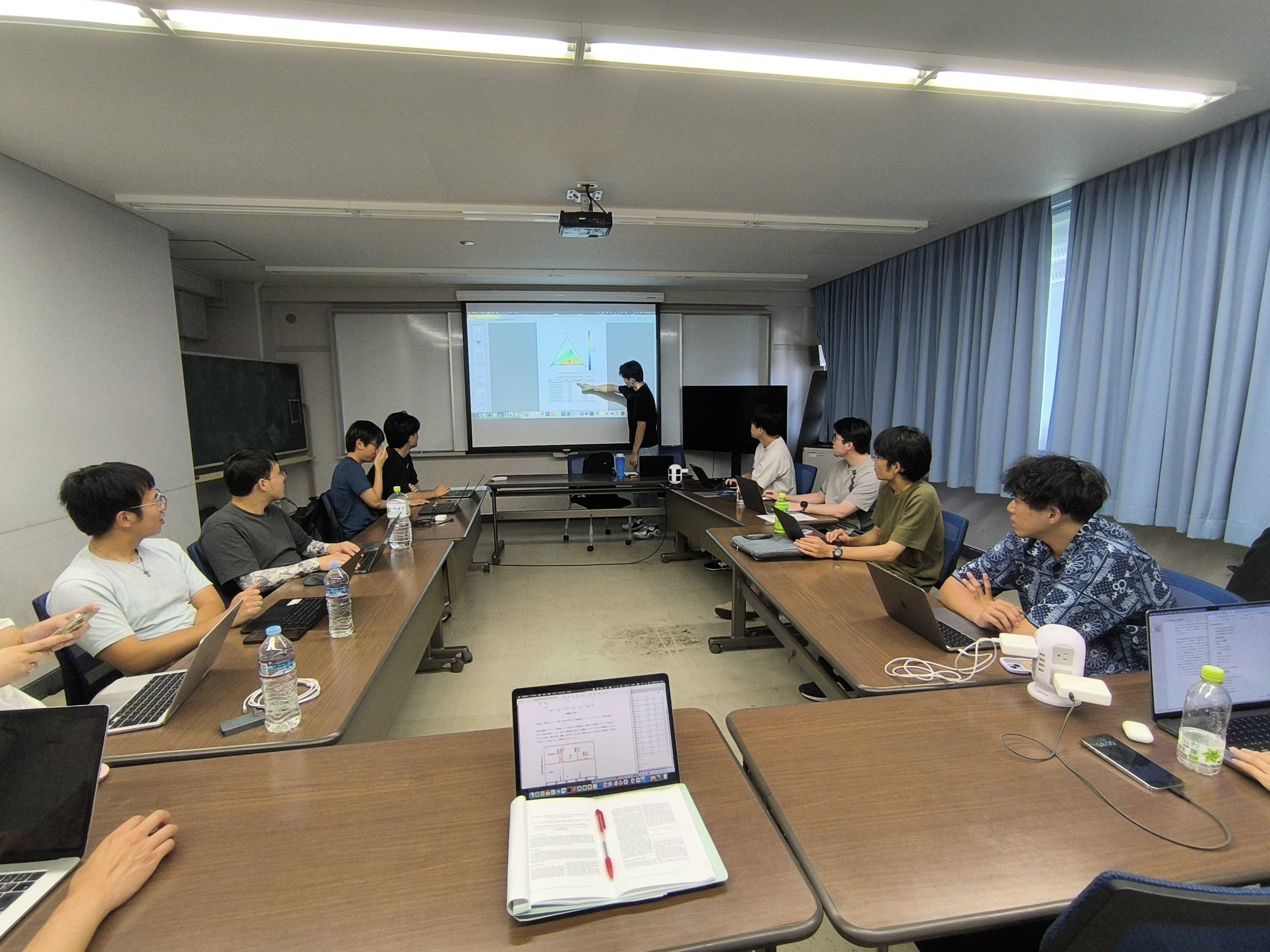
Seminar (2025/7)
Different Background? No Problem — Learning Support
I myself jumped into solid-state chemistry from a biology background — which is exactly why we value a system where students from different fields can catch up steadily from the basics. We hold self-organized study sessions on fundamentals of solid-state chemistry, ion conductors, applied simulation, and how to conduct research, sometimes as casual discussions over dinner. If you have any interest in inorganic materials, solid-state chemistry, or batteries, do not hesitate to jump in.
Examples of skills you can acquire:
- • Synthesis & analysis: solid-state synthesis / XRD / SEM / electrochemical measurements
- • Computation & AI: first-principles calculations / ML potentials / machine learning & data analysis
- • Automation: automated experiment control & high-throughput evaluation
- • Large facilities: synchrotron XRD (SPring-8) / neutron diffraction (J-PARC) beamtime experiments
Career Paths & Lab Events
Career paths after graduation
Recent graduates supervised by Matsui have joined leading companies in automobiles, battery materials, electronics, steel, and semiconductors. Some have advanced to doctoral programs, for which financial support is available.
Lab events
Besides the annual lab retreat (Hachijojima in 2026), we enjoy hiking from Mt. Takao to Lake Sagami, BBQs, and casual get-togethers. We value an atmosphere where you can switch between focused research and refreshing downtime.
Photo Gallery — Lab Life
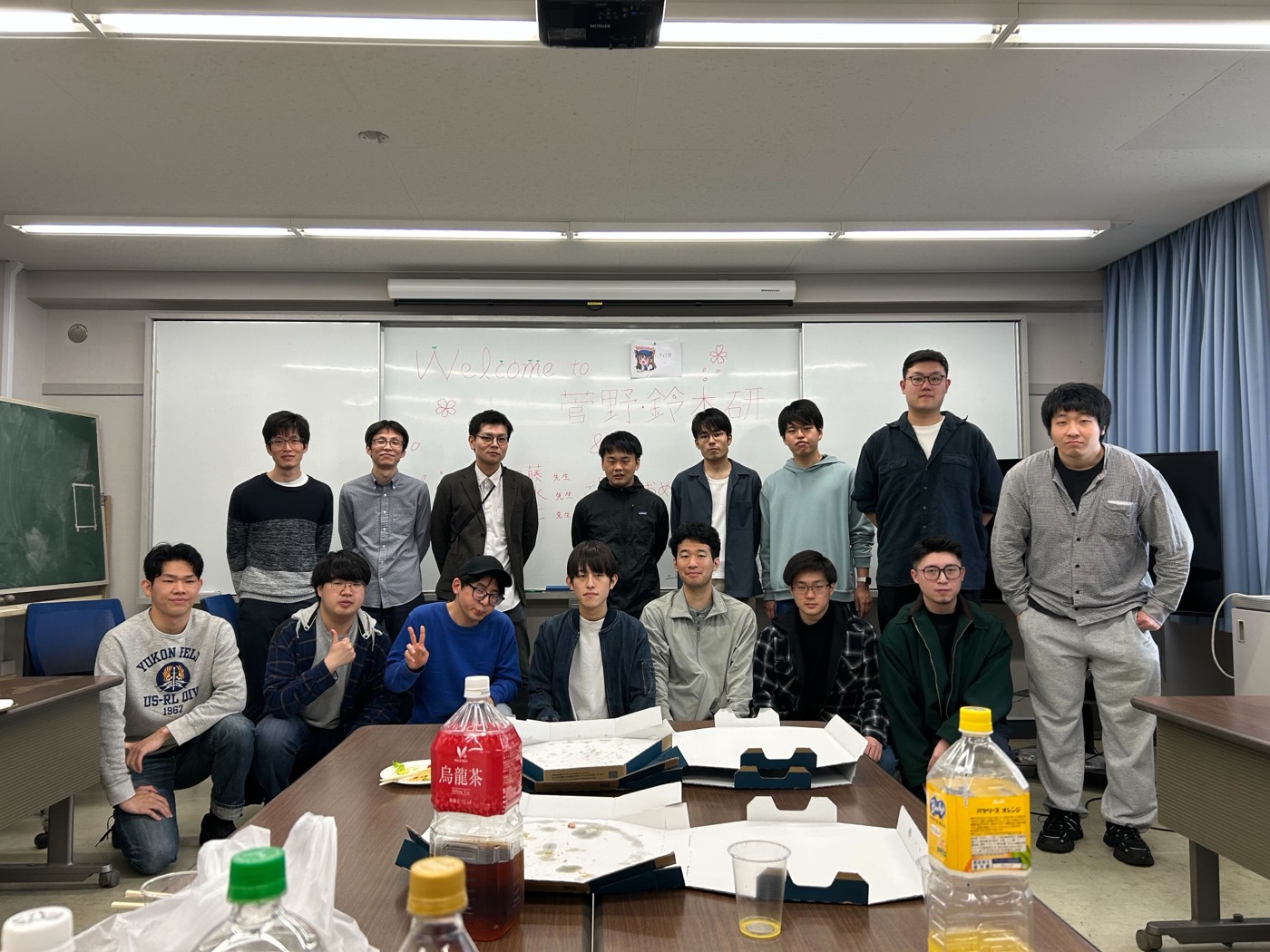
Welcome party for new members
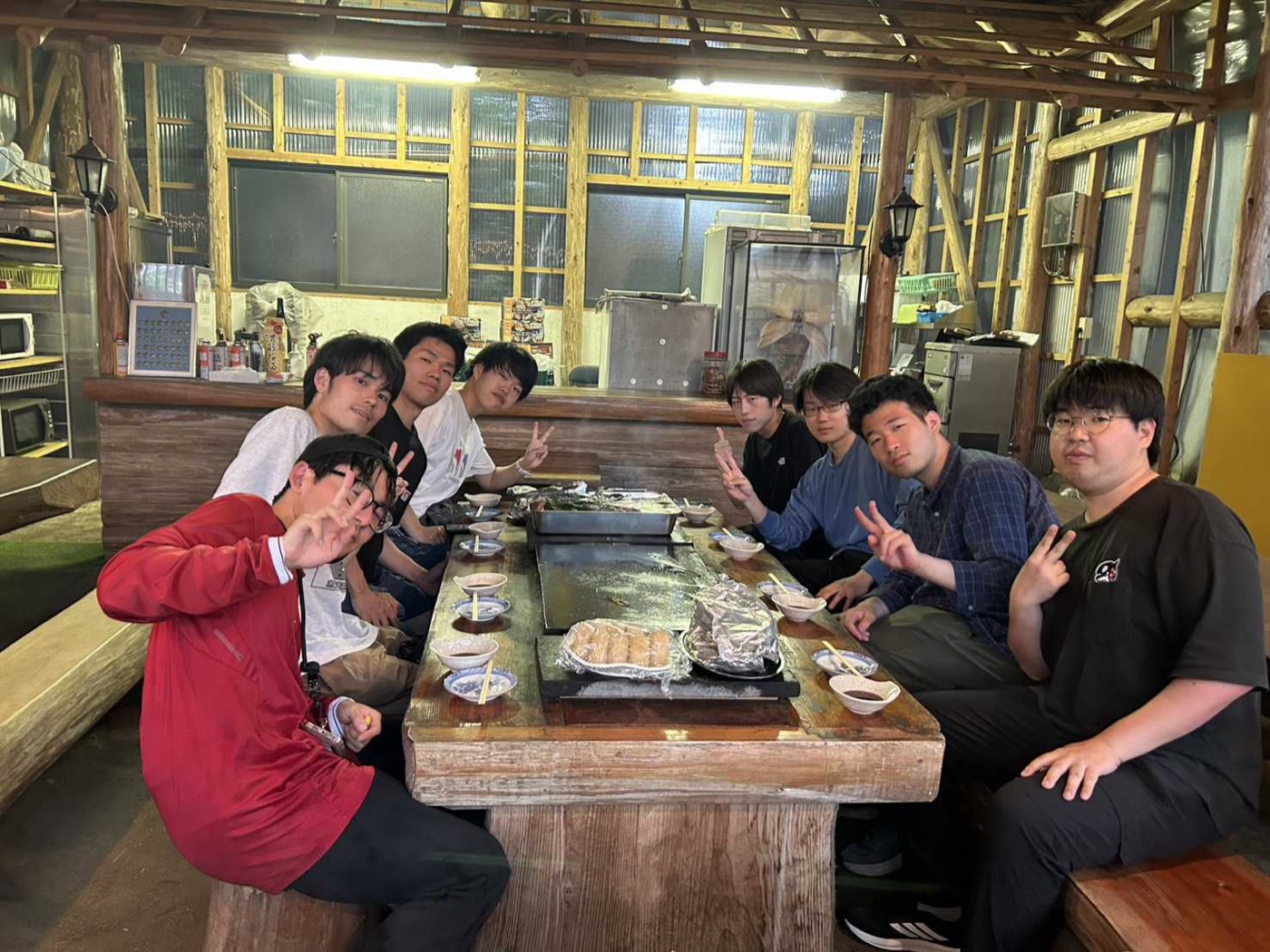
Lab BBQ (June 2026)
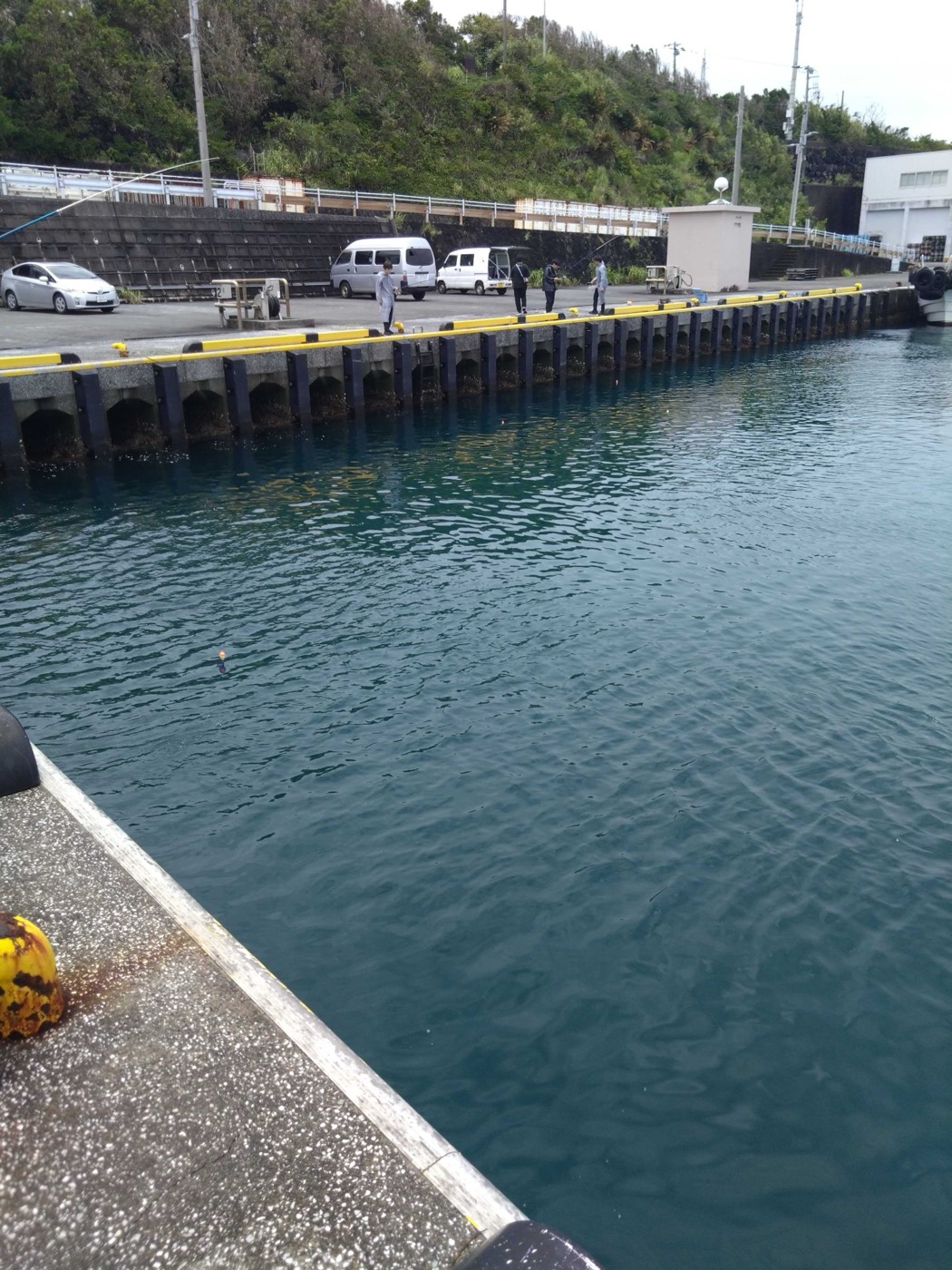
Fishing on the lab retreat (Hachijojima, June 2026)
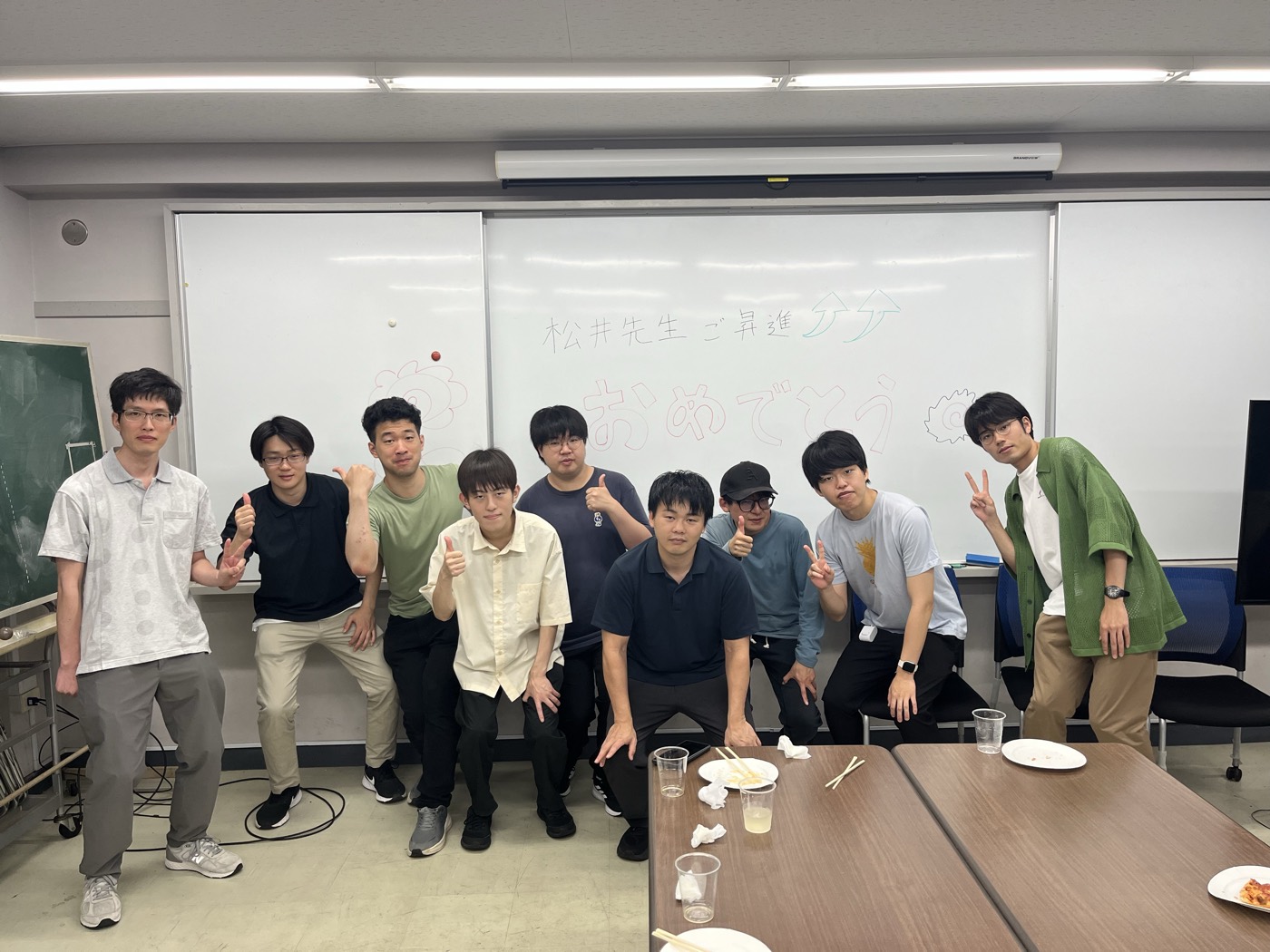
Celebration for the promotion, organized by students
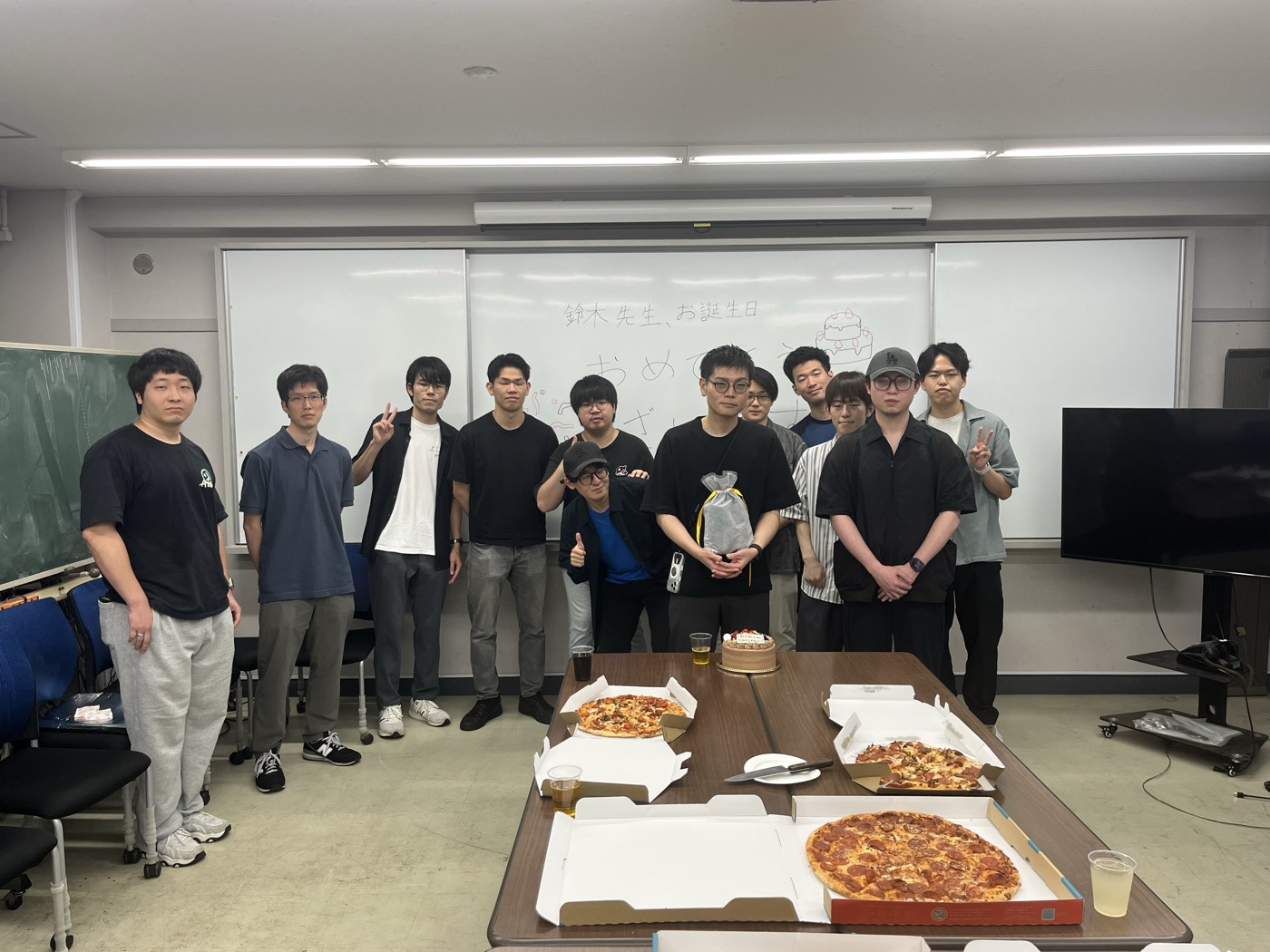
Birthday celebration for Prof. Suzuki
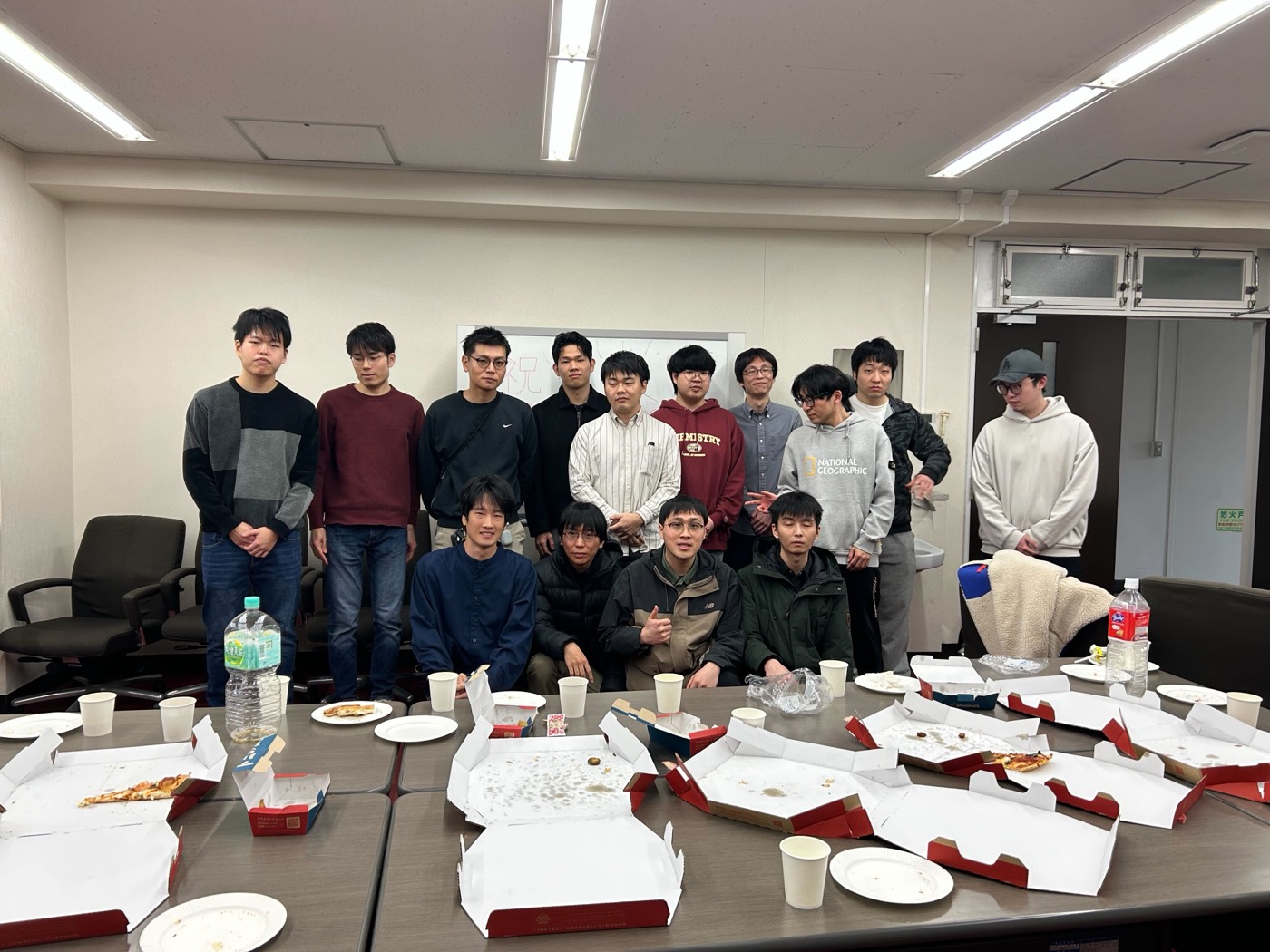
Farewell party for our 2025 graduates
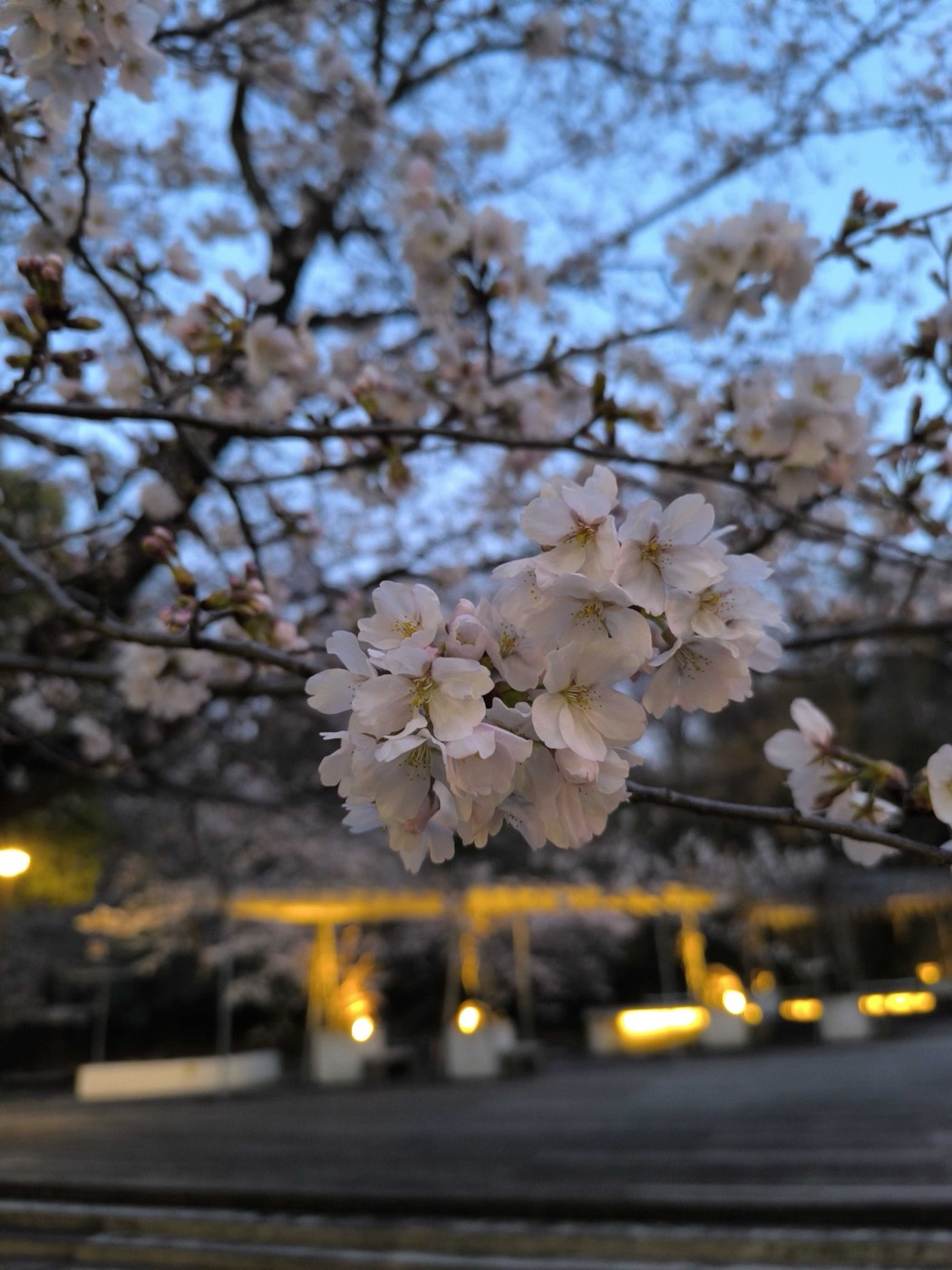
Cherry blossoms on campus (March 2026)
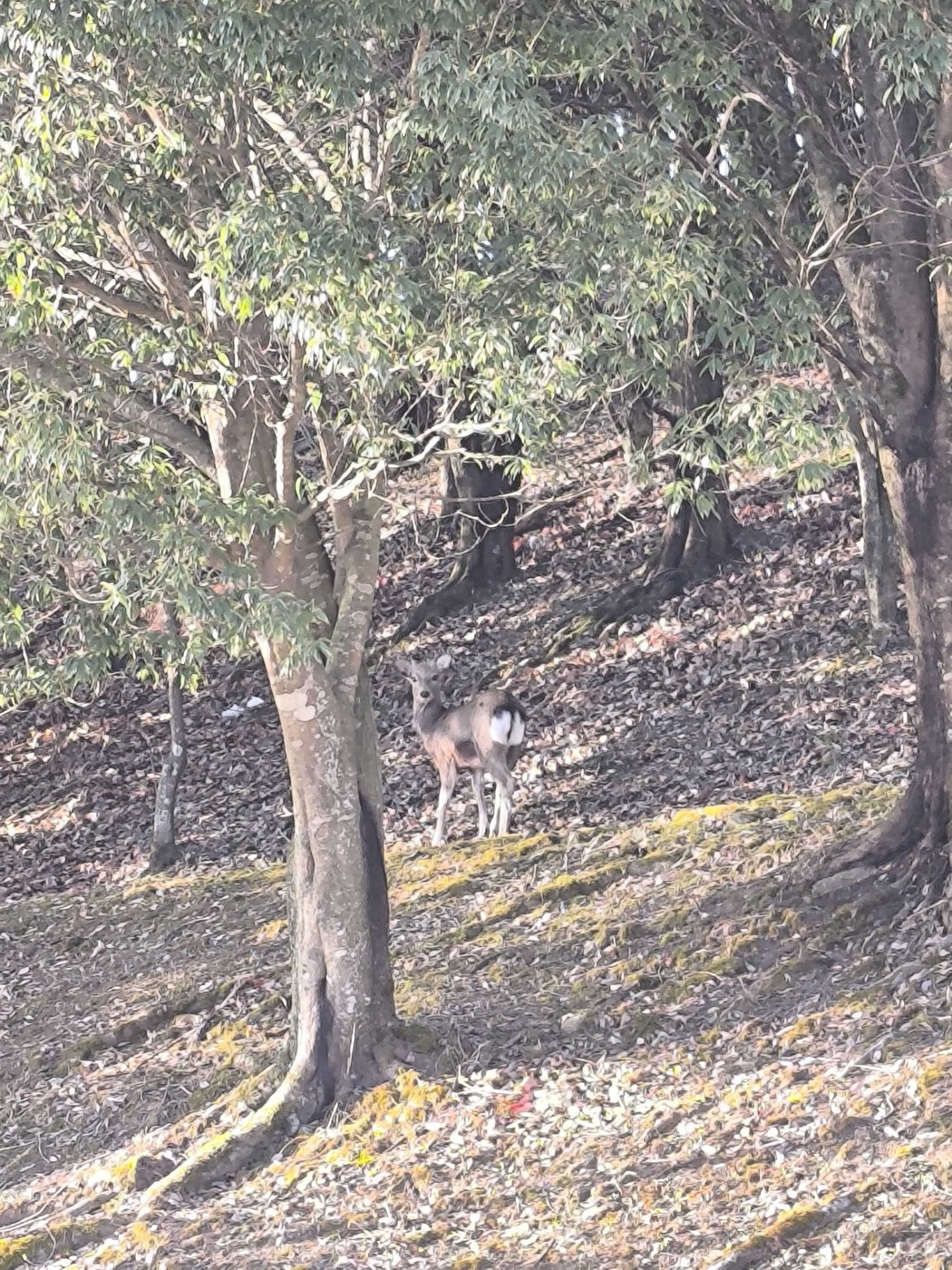
A deer encounter during a SPring-8 beamtime trip
About Lab Visits
Lab visits are always welcome — please contact us by email in advance with candidate dates. For those from afar or if visiting is difficult, online meetings via Zoom are also possible. Feel free to reach out.
Visit Flow (approx. 1.5 hours):
- • Meeting with M1-2 students (30 min)
- • Lab tour (facility visit) (30 min)
- • Discussion with faculty (30 min)
Frequently Asked Questions
Q: What if my background is different?
A: As long as you have enthusiasm, it's no problem. Many students from different backgrounds are thriving. We support you in acquiring necessary knowledge after enrollment. In 2025, we held regular study sessions to help students acquire fundamental knowledge in solid ionics.
Q: How are research themes selected?
A: We prepare multiple candidates and align them with students' preferences. We consider students' interests and aptitude to find the optimal theme together.
Q: Is there core time?
A: We don't have strict core time, but roughly 10:00-18:00 is a guideline. We respond flexibly according to research progress and experimental needs.
Q: Can I work on machine learning research?
A: Machine learning alone is not enough. We add one or two more axes for original research. For example: Machine learning × materials exploration based on predictions, New concept × Machine learning × Ion conduction
Q: What about job hunting?
A: Please visit the lab and ask M1-2 students directly about this. We have many joint research projects with companies and strong connections with industry.
Q: What about doctoral program?
A: We actively support motivated students' advancement to doctoral programs. We also support JSPS Research Fellowship (DC1/DC2) applications.
Message
The discovery of new materials has the potential to significantly change society. In particular, the development of energy storage devices for solving energy problems is essential for sustainable human development.
Would you like to work with us on research at the forefront of materials science? We look forward to the participation of enthusiastic students.
Contact: Contact page.