RESEARCH DETAILS
Detailed Research Topics
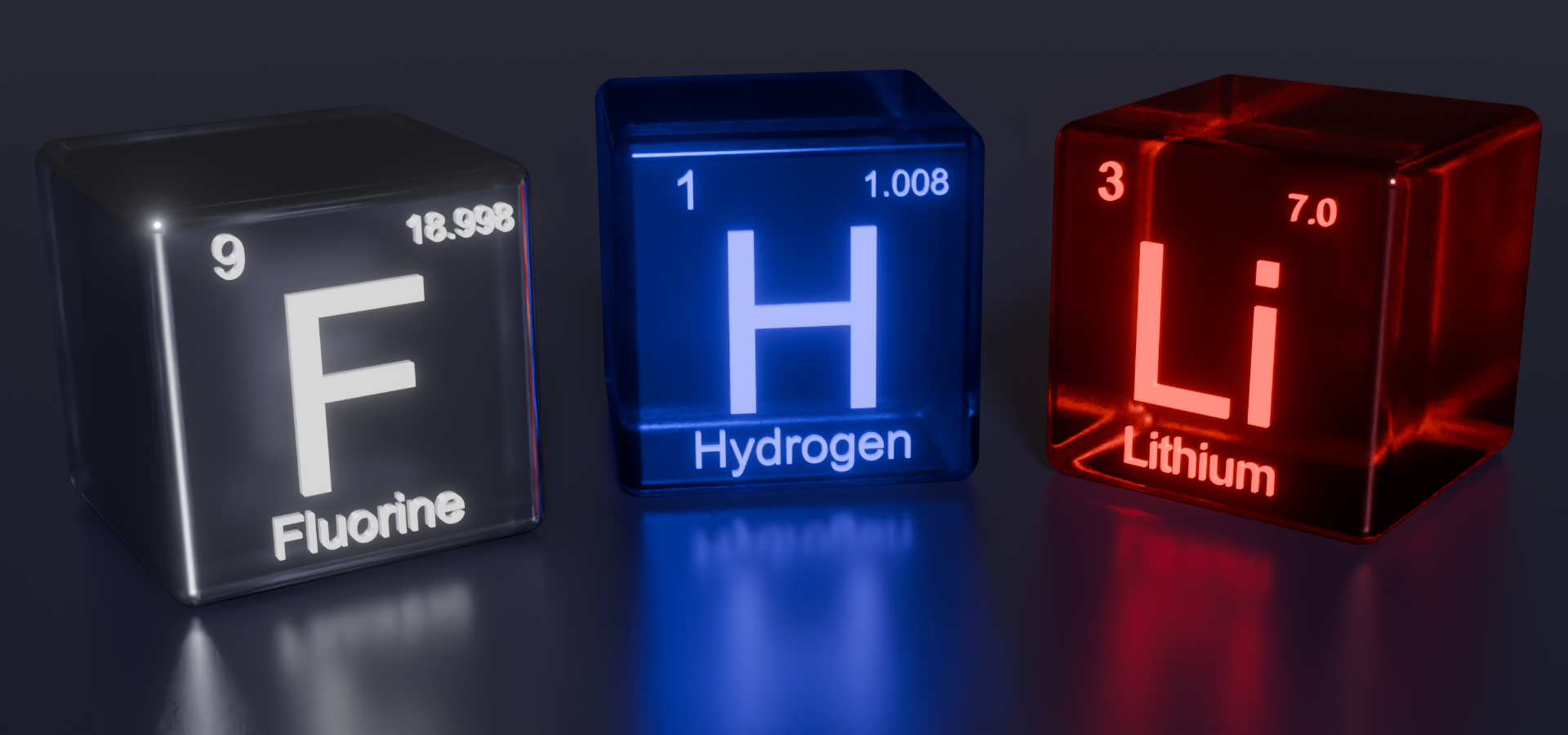
Carrier Ions We Work With
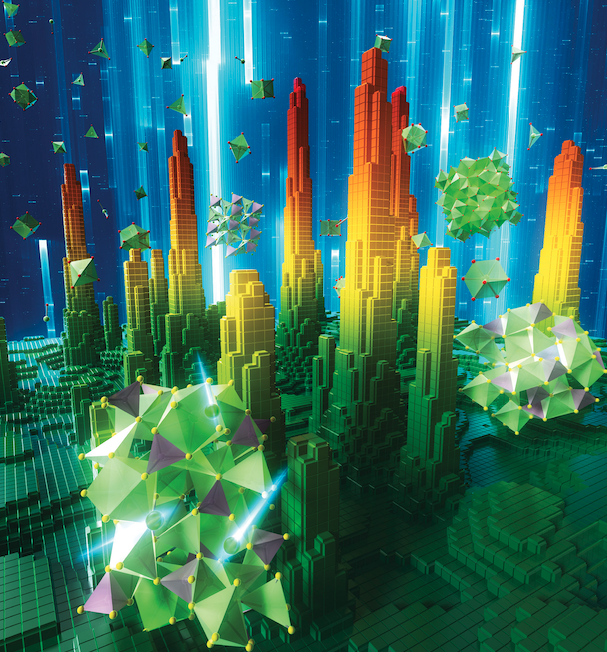
Exploration of Lithium Ion Conductors
For the practical application of all-solid-state lithium-ion batteries, the urgent development of novel solid electrolytes that achieve both high ionic conductivity and chemical stability is required. In this research, we conduct efficient materials exploration through an approach that fuses materials informatics and experiments.
Achievements:
- • Discovery of new Li conductors using machine learning models with coordination polyhedra motifs as features (published in JACS)
- • Exploration in diverse material systems including sulfides and oxides
Exploration of Fluoride Ion Conductors
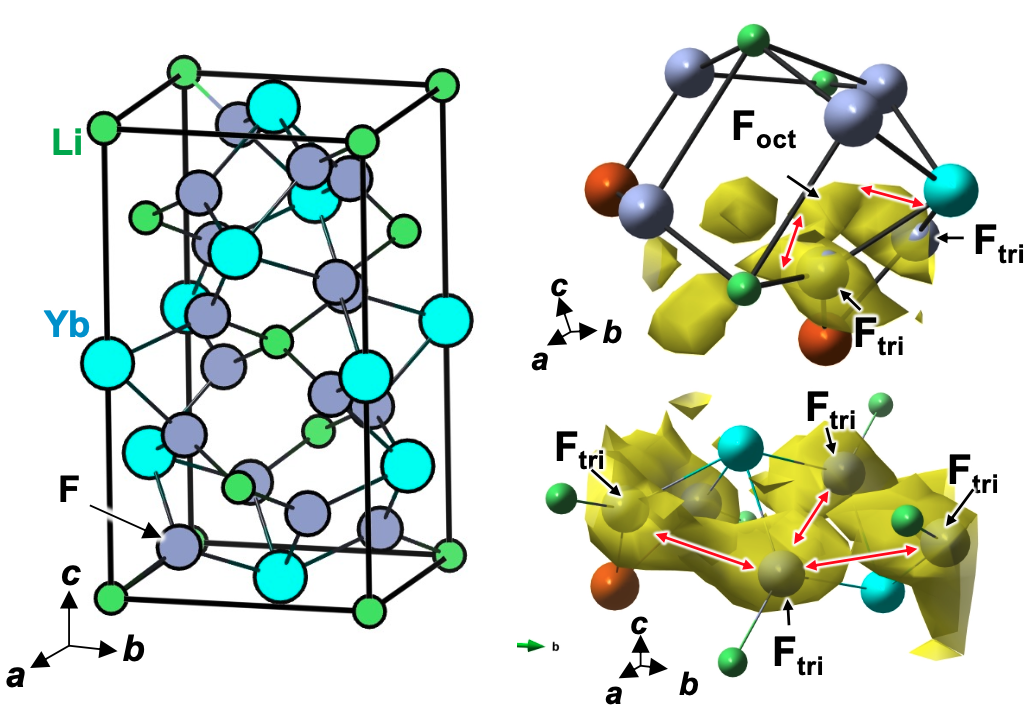
Fluoride batteries are attracting attention as next-generation energy storage devices with higher theoretical energy density compared to lithium batteries. The development of solid electrolyte materials that enable fast fluoride ion conduction in solids is essential for realizing fluoride batteries.
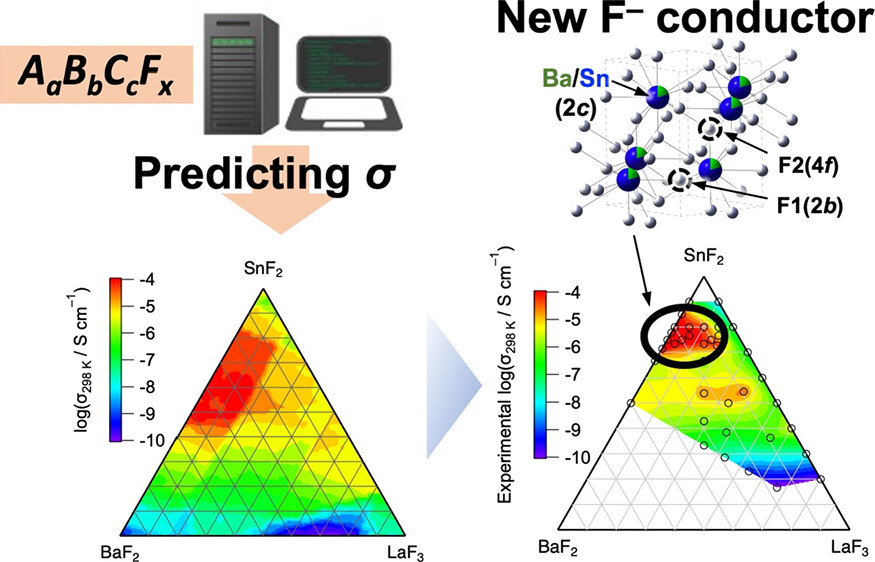
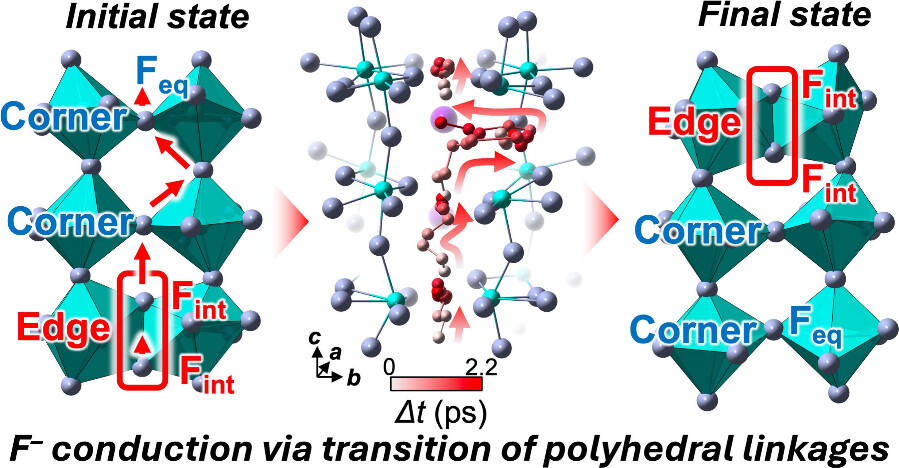
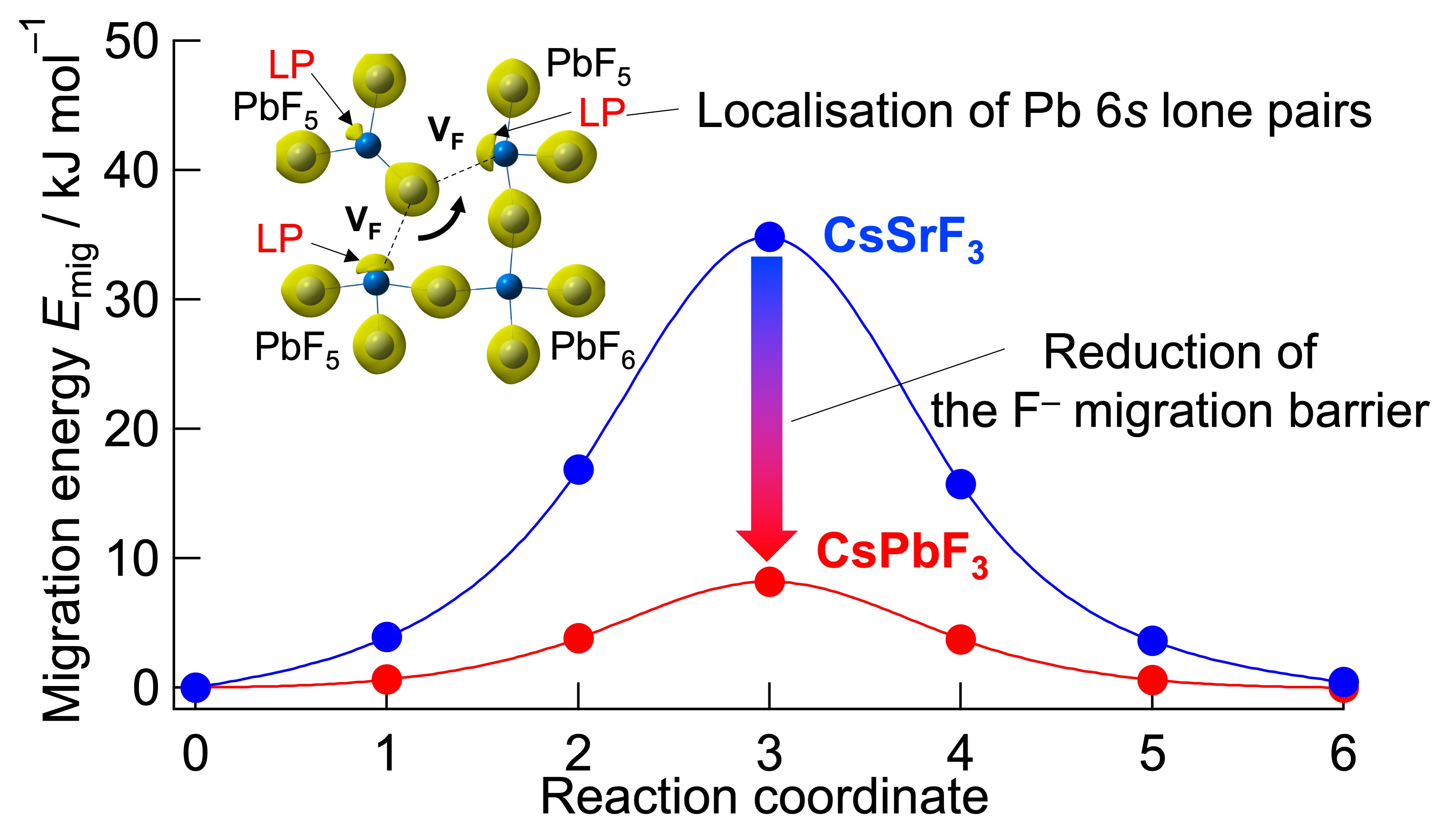
In this research, we are working on the exploration of novel fluoride ion conductors and elucidation of their conduction mechanisms. In particular, we are developing solid electrolytes that achieve both electrochemical stability and ionic conductivity, as well as fluoride ion conductors with lone pair electrons that exhibit extremely high ionic conductivity.
Main Achievements:
- • Achievement of minimal activation energy (7.9 kJ/mol) in CsPb₀.₉K₀.₁F₂.₉
- • First demonstration of ion transport promotion by dynamic reorientation of lone pair electrons
- • Development of new Sn-based tysonite materials exceeding 10⁻⁴ S/cm at room temperature
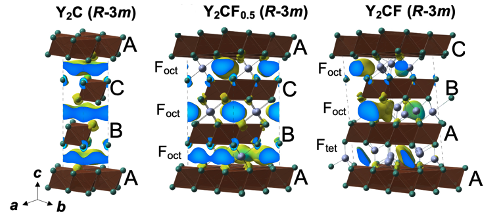
- • Development of F⁻ reversible intercalation anode material Y₂C↔Y₂CF₂
Exploration of Hydride Ion Conducting Materials and Devices
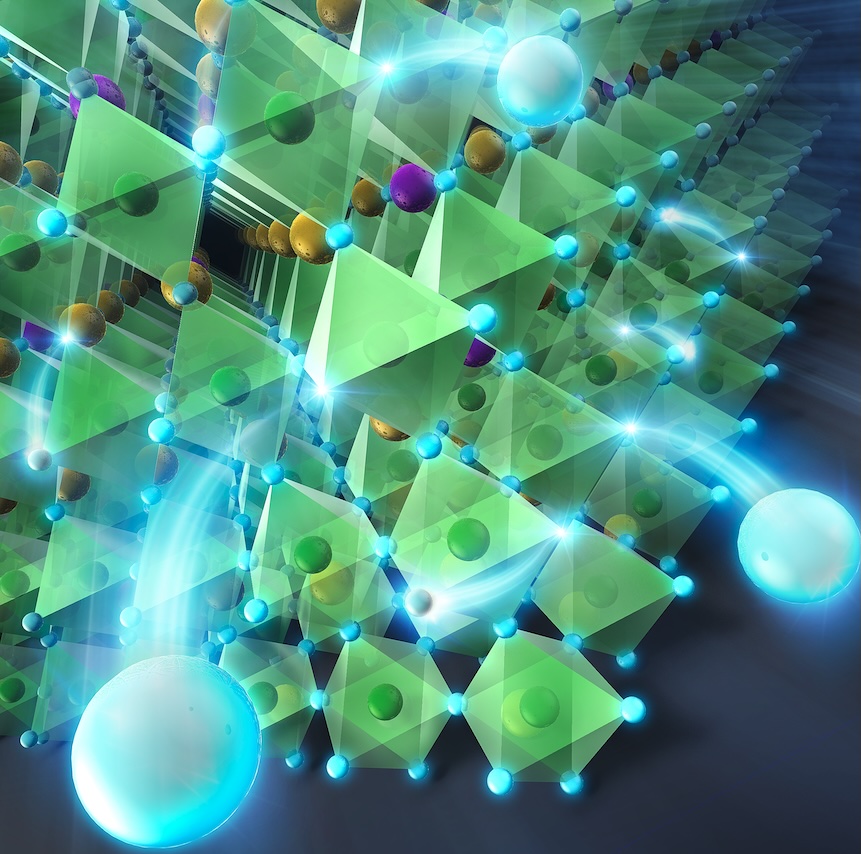
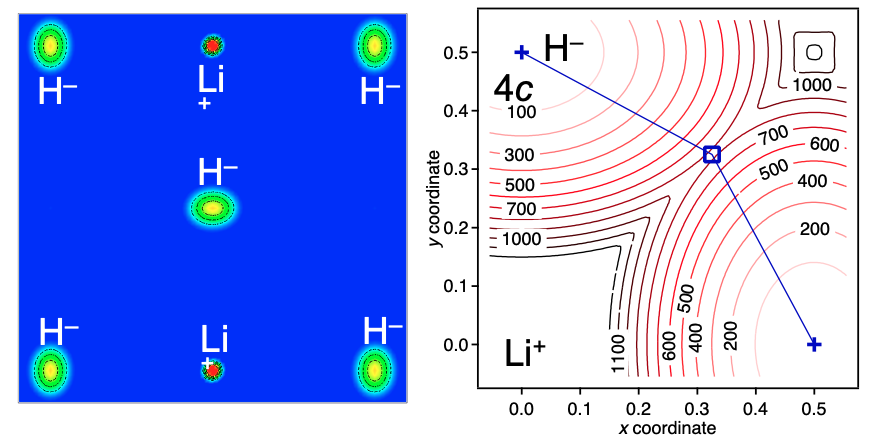
We are developing new energy devices using hydride ions (H⁻), the negative ions of hydrogen, as charge carriers. Hydride ion conductors are expected to enable the construction of new battery systems that take advantage of their high-speed and unique reactivity.
Research Contents:
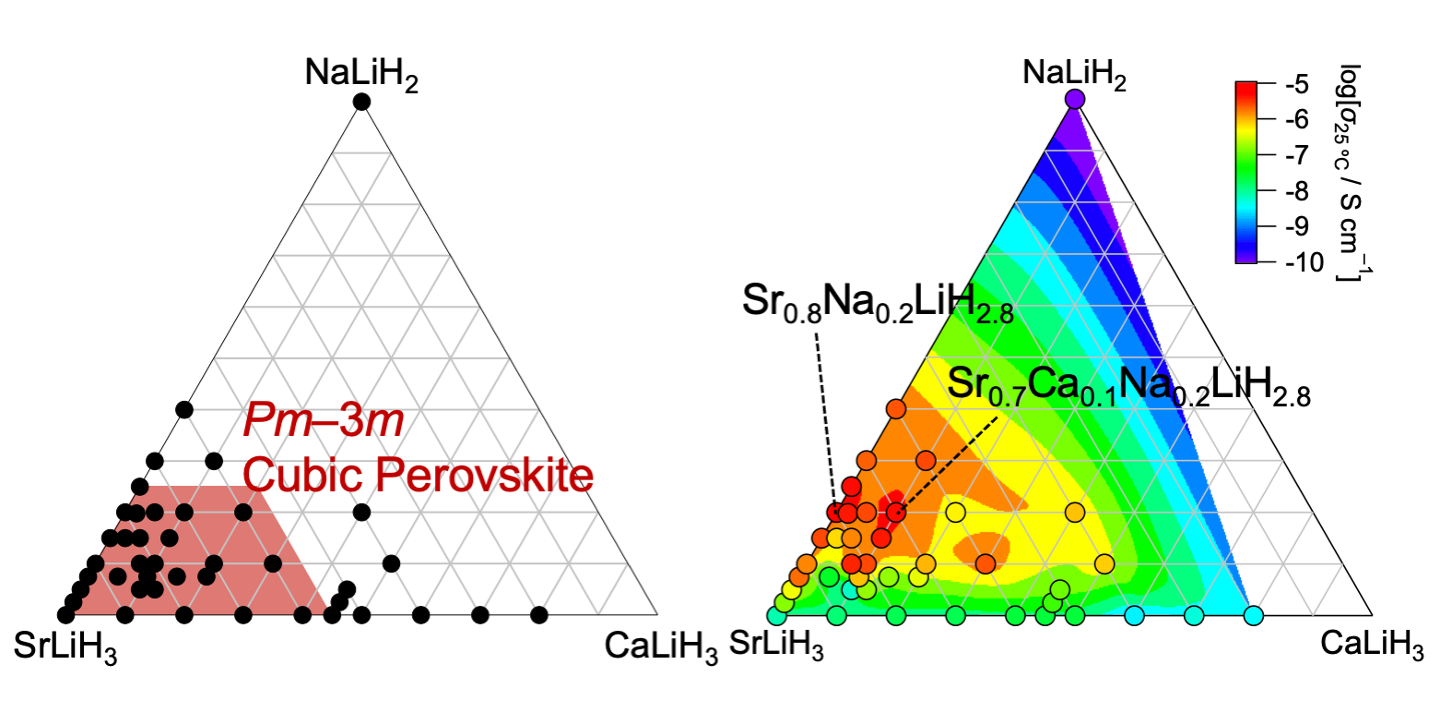
- • Perovskite-type hydride conductors: Development of new compositions based on SrLiH₃
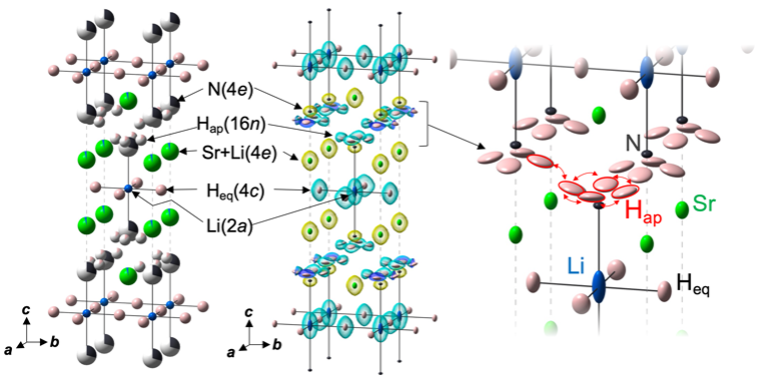
- • Report on hydride ion conductivity of Sr₂LiH₂N
- • K₂NiF₄-type oxyhydrides: Establishment of ambient pressure synthesis of La₂LiHO₃
Exploration of Anion Intercalation Electrodes
In contrast to conventional cation (Li⁺, Na⁺, etc.) intercalation, we are developing electrode materials where anions (F⁻, Cl⁻, etc.) are reversibly inserted and extracted. We aim to achieve higher energy density through the construction of new battery systems.
Achievements:
- • Demonstration of reversible fluoride intercalation reaction of Y₂C↔Y₂CF₂
- • Development of carbide-based materials as new anode active materials
- • Application to fluoride batteries
Exploration Using Machine Learning and Virtual Space
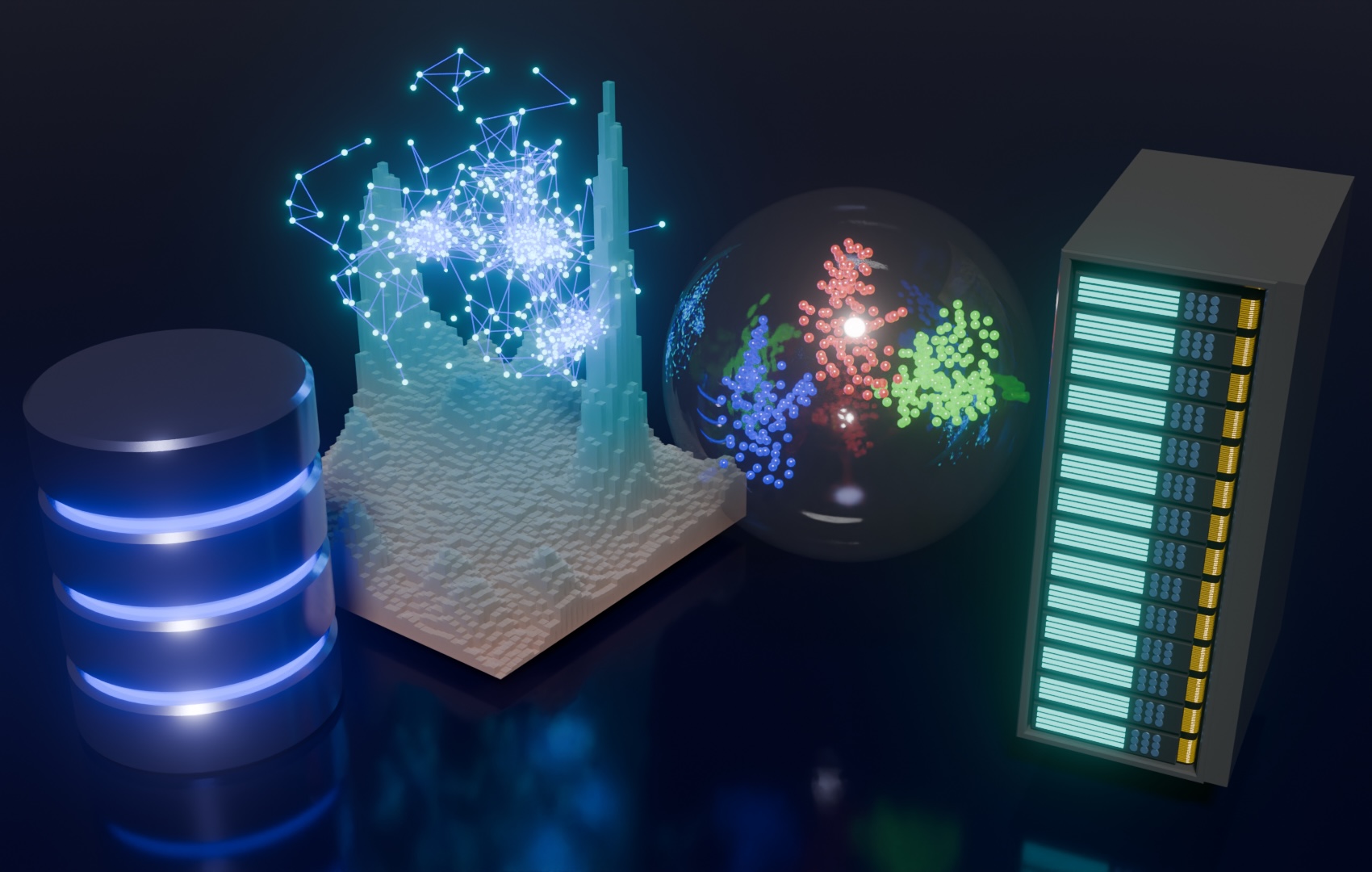
We are developing efficient exploration methods for novel ion conductors using machine learning by fusing materials informatics and computational chemistry. By conducting materials design from both experimental and theoretical perspectives, we significantly improve the efficiency of conventional trial-and-error exploration.
Approach:
- • Building machine learning models using coordination polyhedra motifs as features
- • Conduction mechanism analysis by first-principles calculations
- • Molecular dynamics simulation using neural network potentials
High-Throughput Synthesis
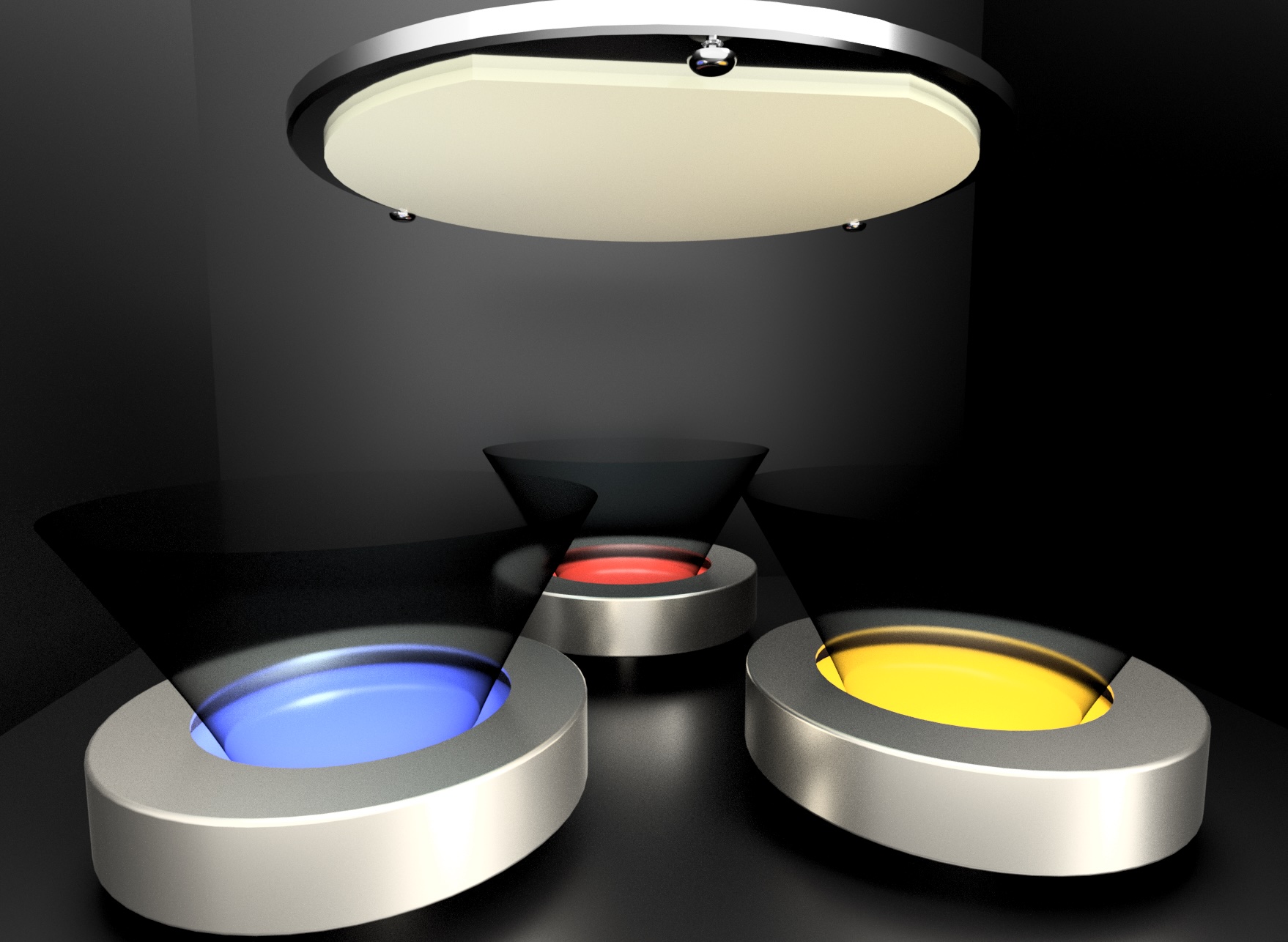
By combining combinatorial synthesis and high-throughput evaluation, we achieve materials exploration that is significantly faster than conventional methods. By simultaneously synthesizing and evaluating numerous compositions, we dramatically increase the probability of discovering new materials.
Methods:
- • Rapid composition optimization using composition gradient thin films
- • Automated synthesis and evaluation systems
- • High-speed screening by impedance measurement